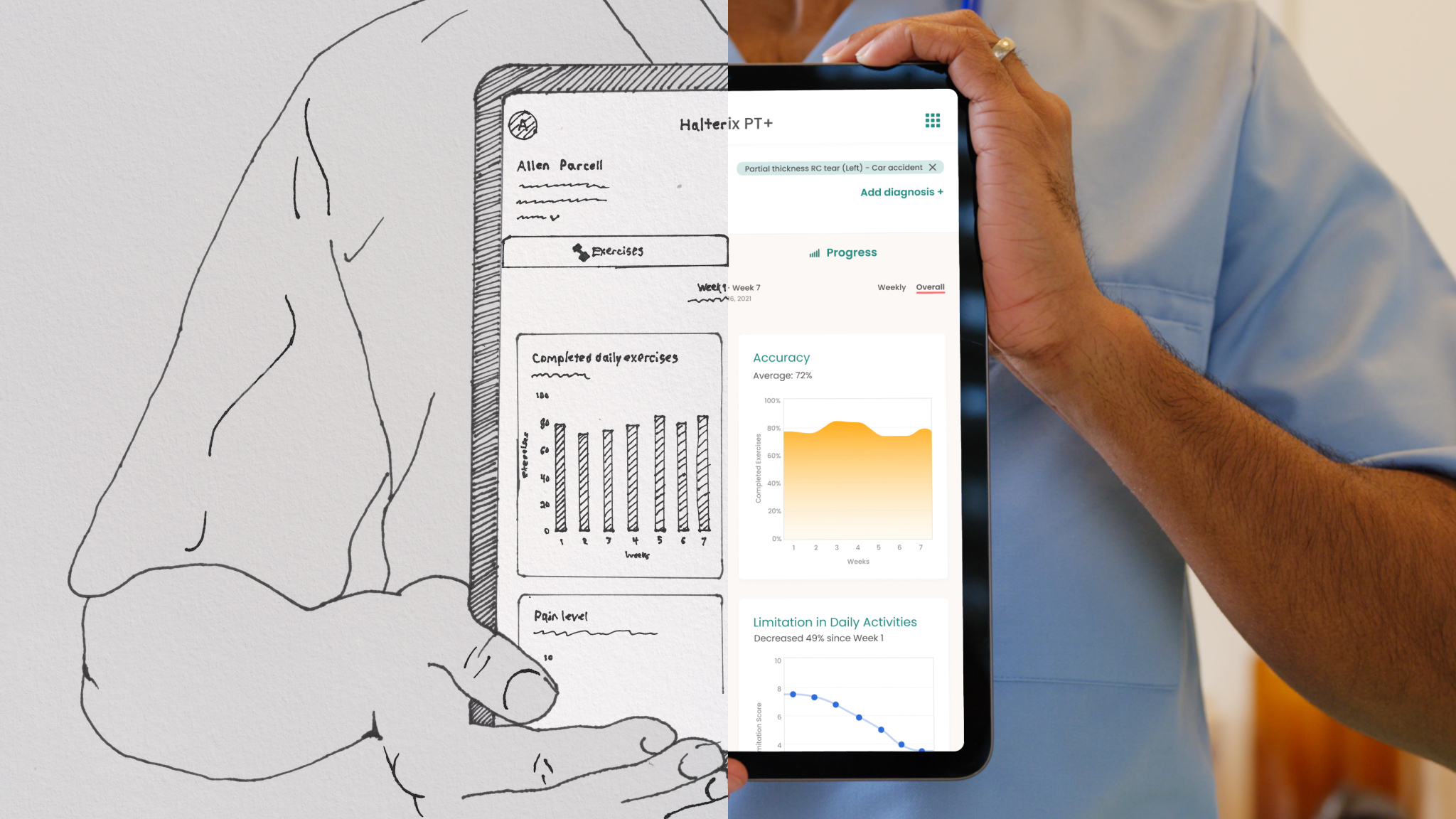

MindSea Digital Health Blog
News and insights on mobile app development, design, and digital healthcare
-
Integrating a Custom Patient App with Your EHR for Specialty Care
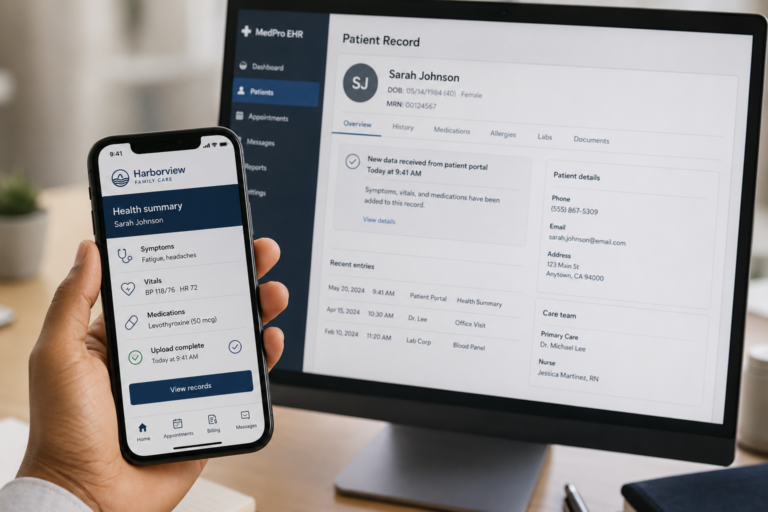
EHR patient portals work for simple, routine tasks, but specialty care needs continuous interaction and behavior‑change support. Custom apps provide that layer while syncing data from the app into the EHR and back again. Their success depends on fitting seamlessly into clinician workflows. Key Takeaways Electronic health records (EHRs) were developed to manage clinical information,… Read more
-
How Clinician Recommendations Improve Patient Engagement in Digital Health Apps
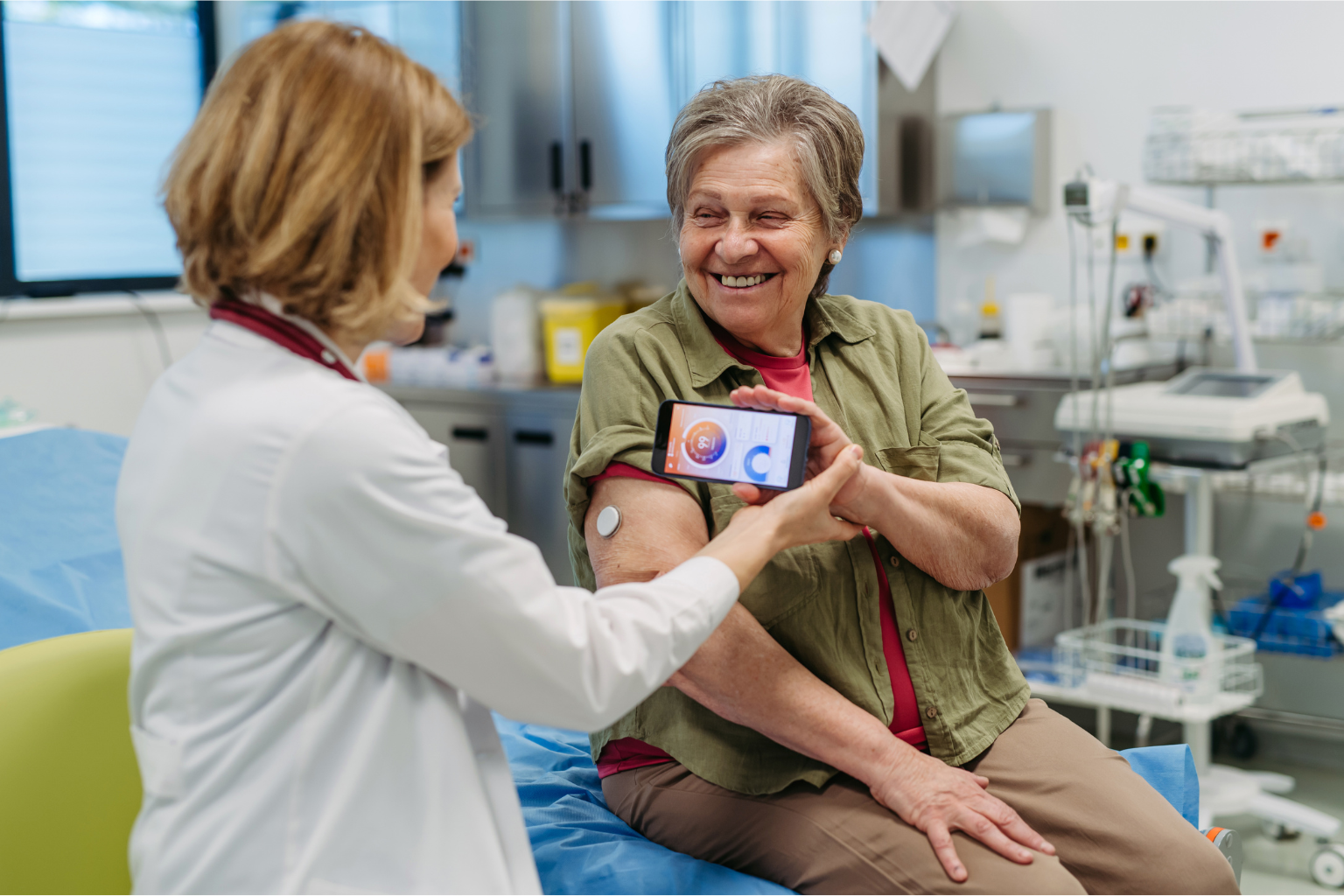
Features alone don’t drive patient engagement in a healthcare app. The trust patients have in their clinician shapes it, along with how clearly the app fits into their care. When you build that clinician connection into the product from the start, patients explore the features. Plus, they return more often and stay engaged for longer.… Read more
-
The Top 7 Healthcare App Development Companies in 2026
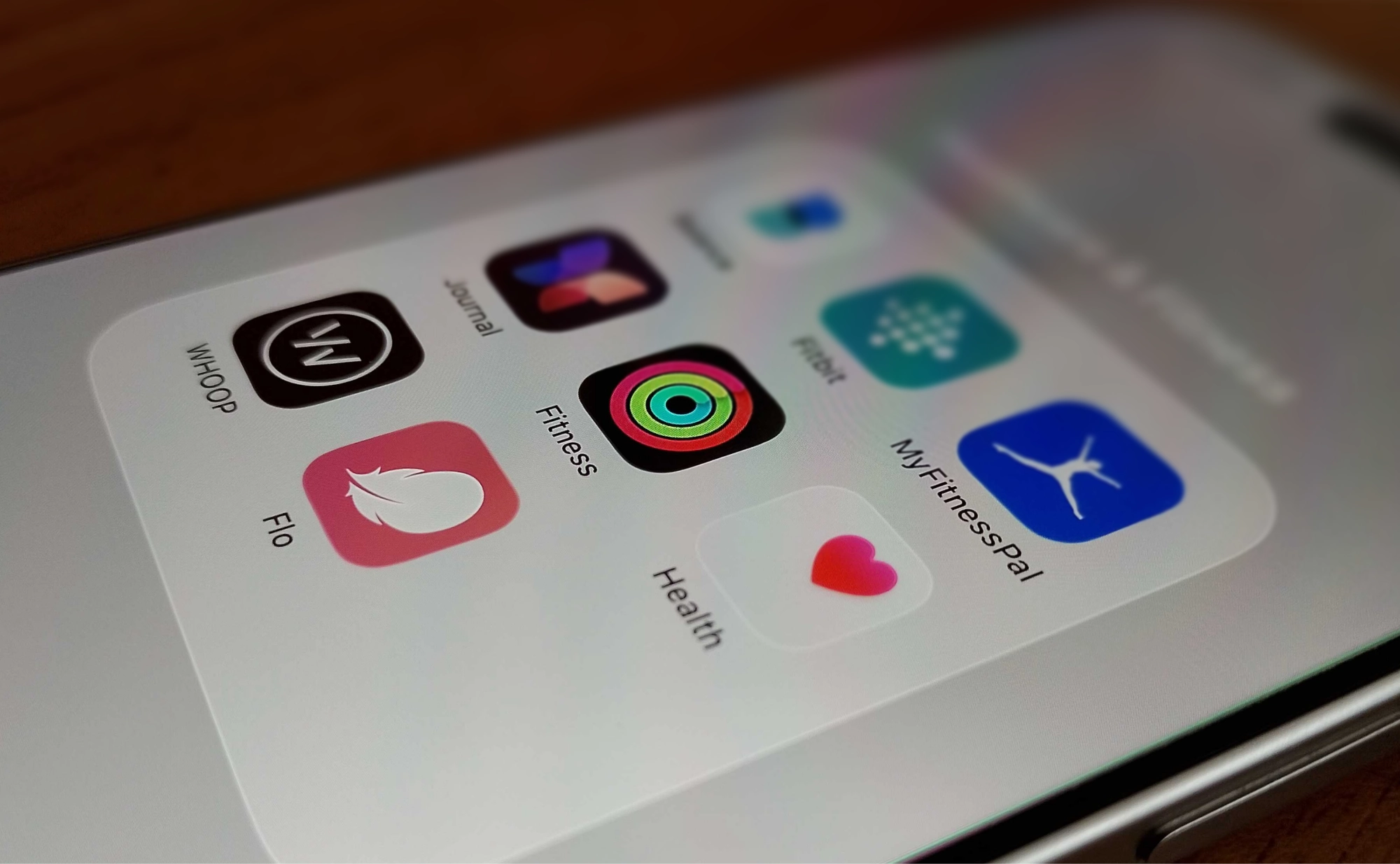
Developing a digital health application that maintains HIPAA compliance, exchanges data with EHR systems via HL7 FHIR, and passes a health system’s security review requires a specialist set of capabilities. The regulatory requirements are stricter, the integration standards are healthcare-specific, and mistakes in compliance or interoperability can prevent clinical adoption or block deployment entirely. The… Read more
-
AI Personalization in Health Apps While Protecting Patient Privacy
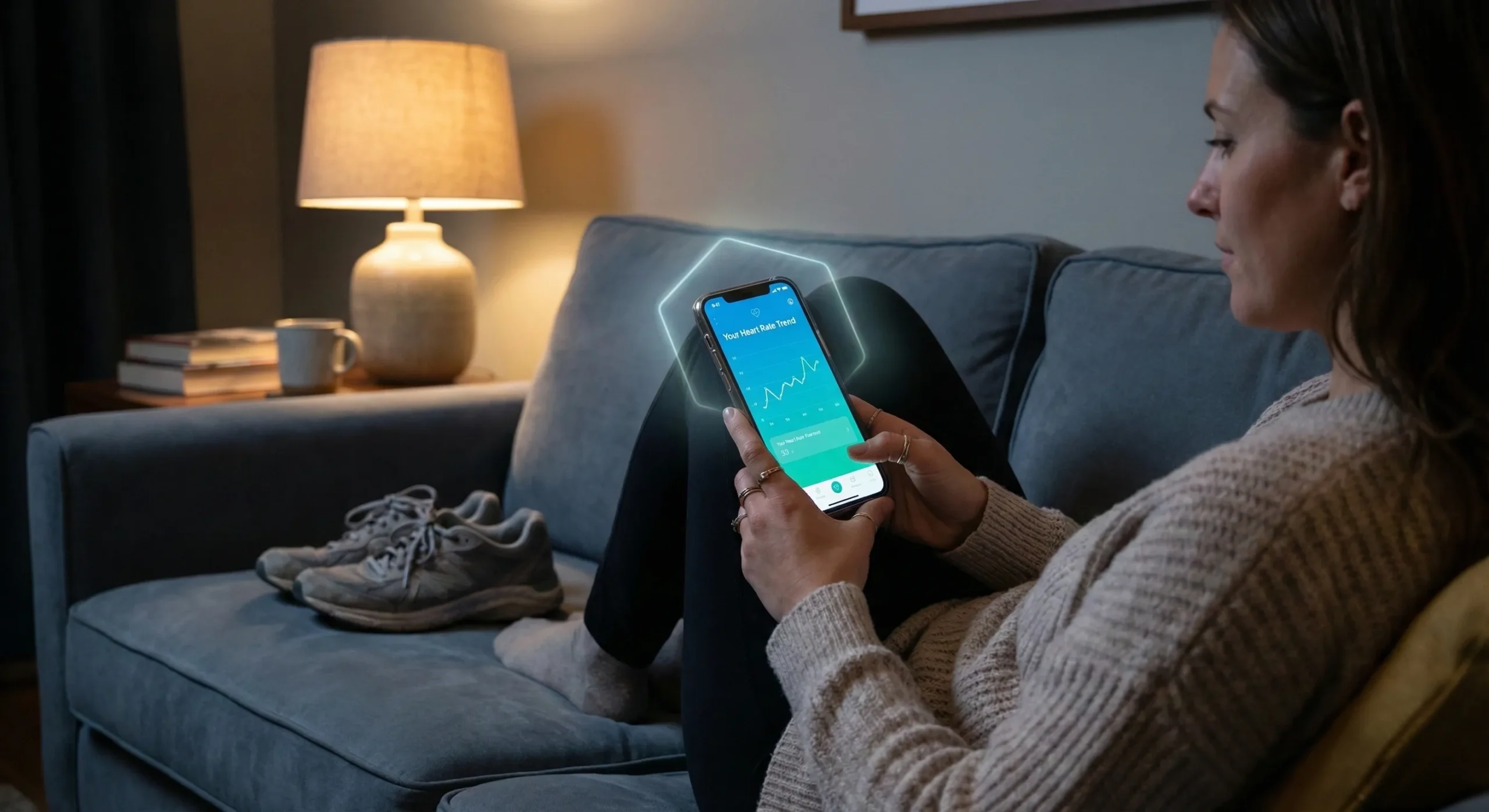
Key Takeaways AI-driven digital health apps promise highly personalized care through nudges, feedback, and even predictive alerts tailored to individuals’ behaviour and symptoms. For healthcare researchers, the promise of AI personalization is compelling, as personalized interventions can boost engagement and adherence. But the very data that powers such personalization is sensitive, and many apps fall… Read more
-
What HIPAA-Compliant AI Actually Means in Mobile Apps
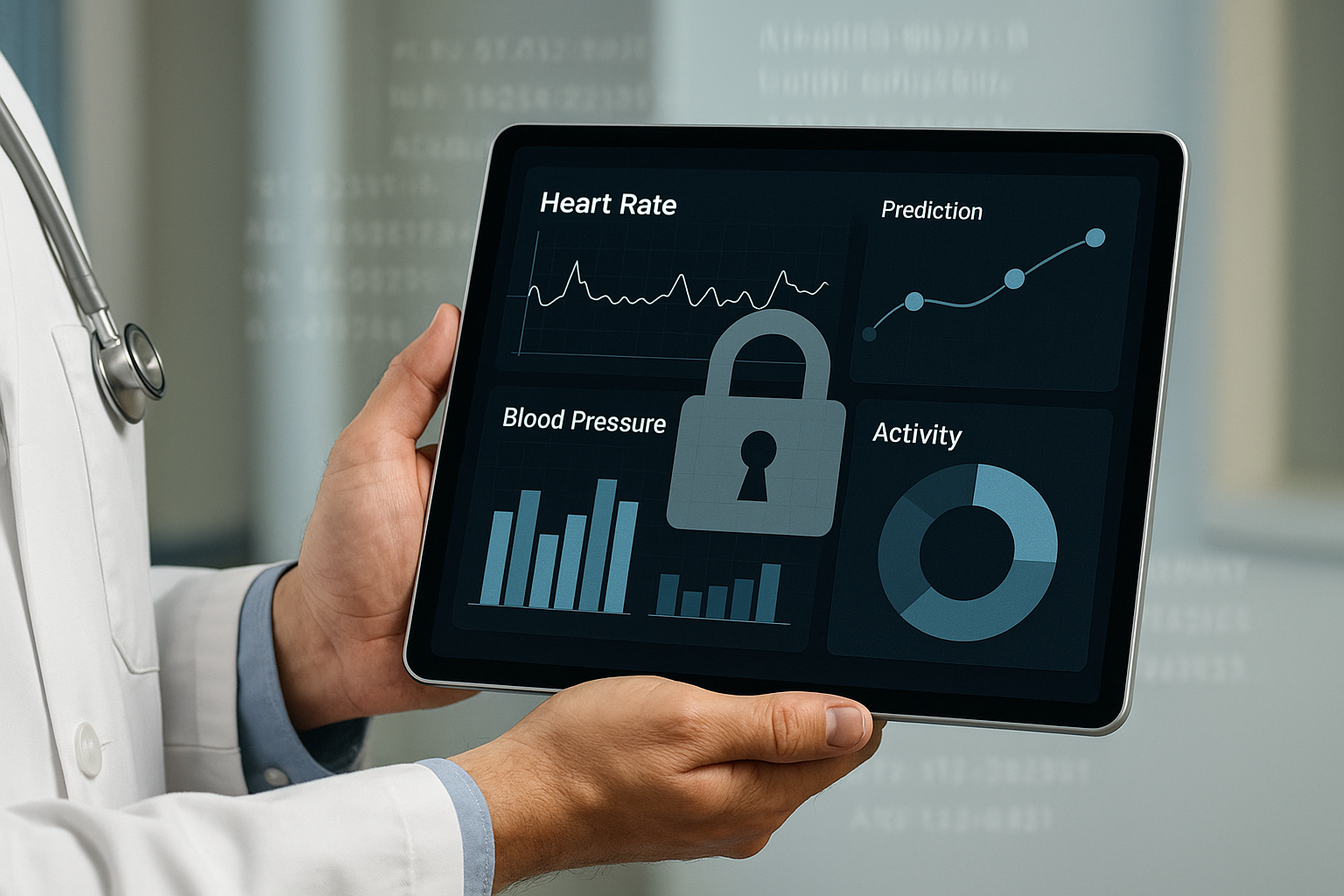
Key Takeaways When healthcare researchers design AI-enabled mobile apps, they are not just building tools. They are navigating a complex ecosystem where algorithmic decisions meet sensitive patient data. One study of AI-powered health apps found that most did not explain how their algorithms reached decisions, leaving users unsure how their data was used. This lack… Read more
-
The Ultimate Guide to Building a HIPAA Compliant App in 2026
Before patients trust your app with their health, they need to trust you with their data. HIPAA is how you earn that trust. In 2025, building a HIPAA compliant app is the foundation of credibility for any mobile health or research platform. For universities, hospitals, and grant-funded teams, the stakes are exceptionally high. A single… Read more
-
From Detection to Prediction in Remote Patient Monitoring
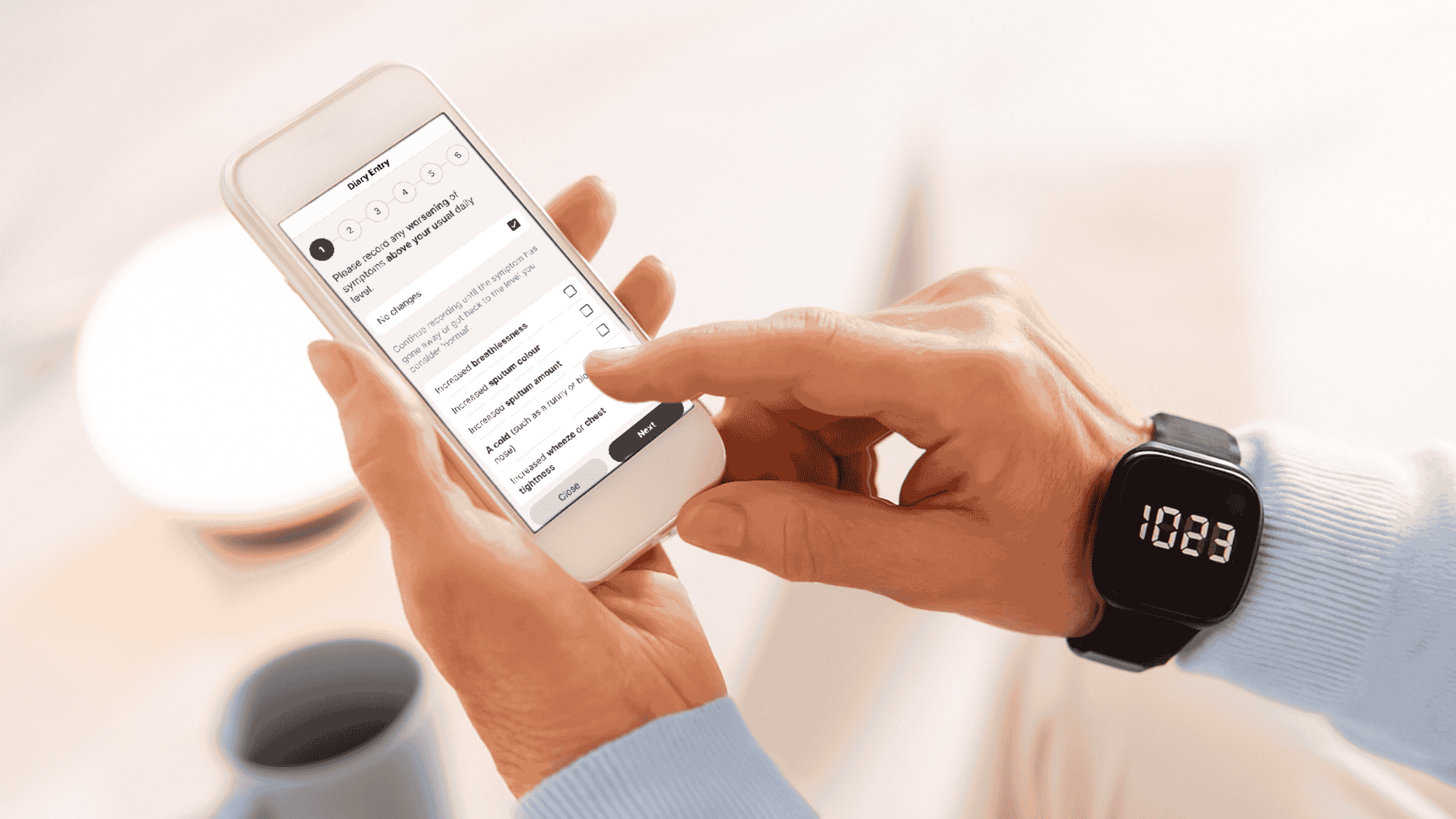
CHARM-COPD Project Snapshot Who: Researchers at the University Health Network (UHN), Sunnybrook Health Sciences Centre, and the University of Toronto (all in Toronto) What: Remote patient monitoring app for COPD patients, which is designed to capture daily symptom changes and treatment adjustments Features: Future Expansion: Developing a programmable platform to adapt to other conditions (hypertension,… Read more
-
Why We Recommend Using React Native Over Flutter for Cross-Platform App Development
At MindSea, we’re passionate about building top-notch mobile apps that really work for our clients, making sure they’re intuitive, friendly, and meet every need. One of the key decisions we have to make to deliver this experience is the framework we build them on. React Native and Flutter are two of the most popular frameworks… Read more

-
Taking a Patient-oriented Approach to Developing a Family Mental Health App
When the University of Manitoba’s research team set out to develop a digital health app for their BEAM program—designed to support family mental health and ease parenting stress—they knew they needed more than just a developer. They needed a true partner. That’s why they chose MindSea. Through open communication and strong, ongoing collaboration, they tapped… Read more

-
From Research to Reality: Overcoming Challenges in Academic Digital Health App Development
Digital health apps are reshaping healthcare and transforming patients’ lives with every download. Whether it’s through remote patient monitoring, collecting accurate health data, connection to other patients, improving workflow efficiency and experience to ease the burden on physicians, or even virtual consults, the possibilities these apps open up often seem endless. Universities and academic institutions… Read more