Patient engagement software development that improves adherence and outcomes
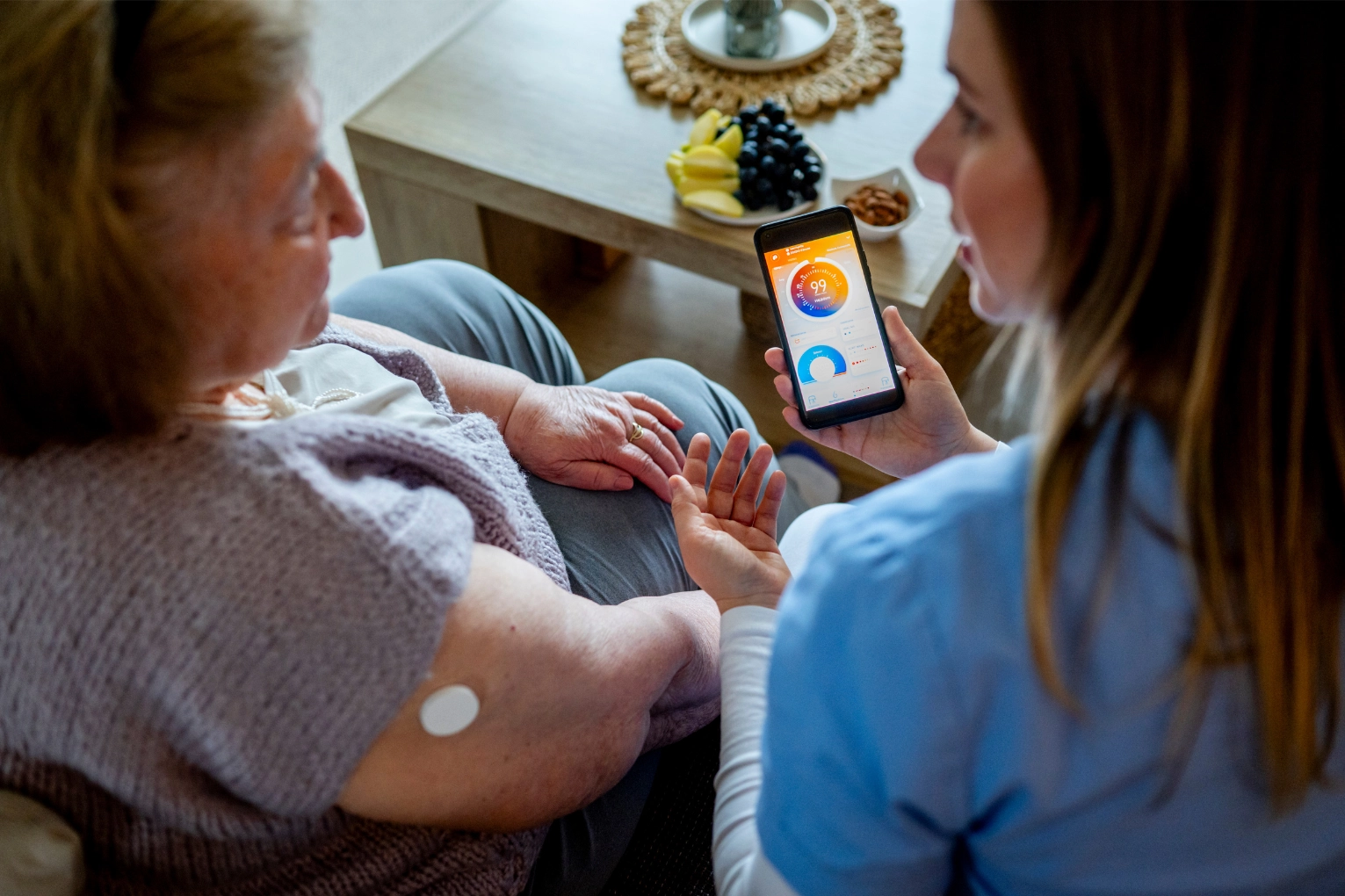
At MindSea, we design and develop patient engagement apps that keep patients connected and supported throughout their care journey. We partner with your team from strategy to launch, delivering secure, reliable tools that improve adherence, patient communication, and long-term health outcomes.
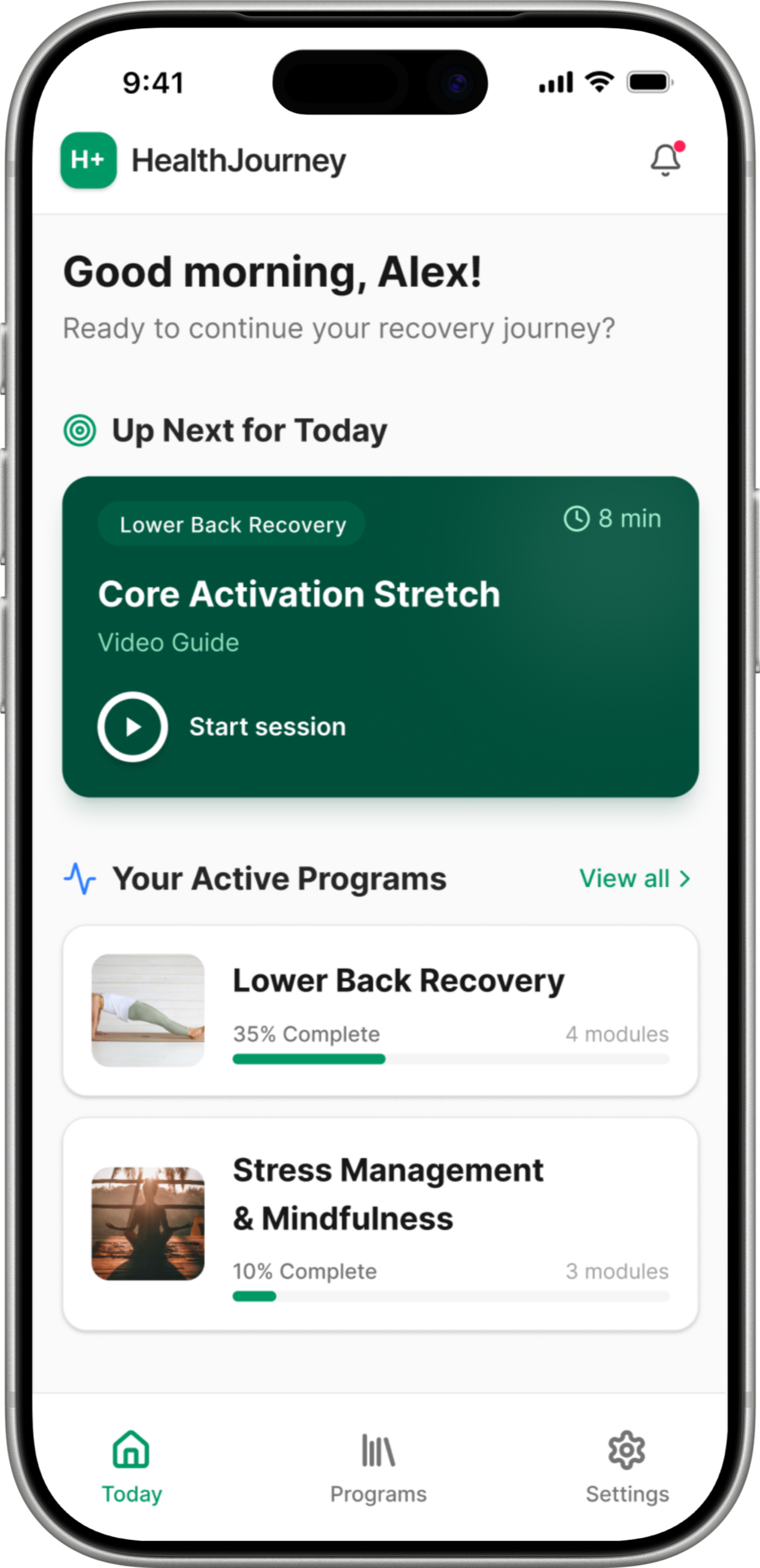
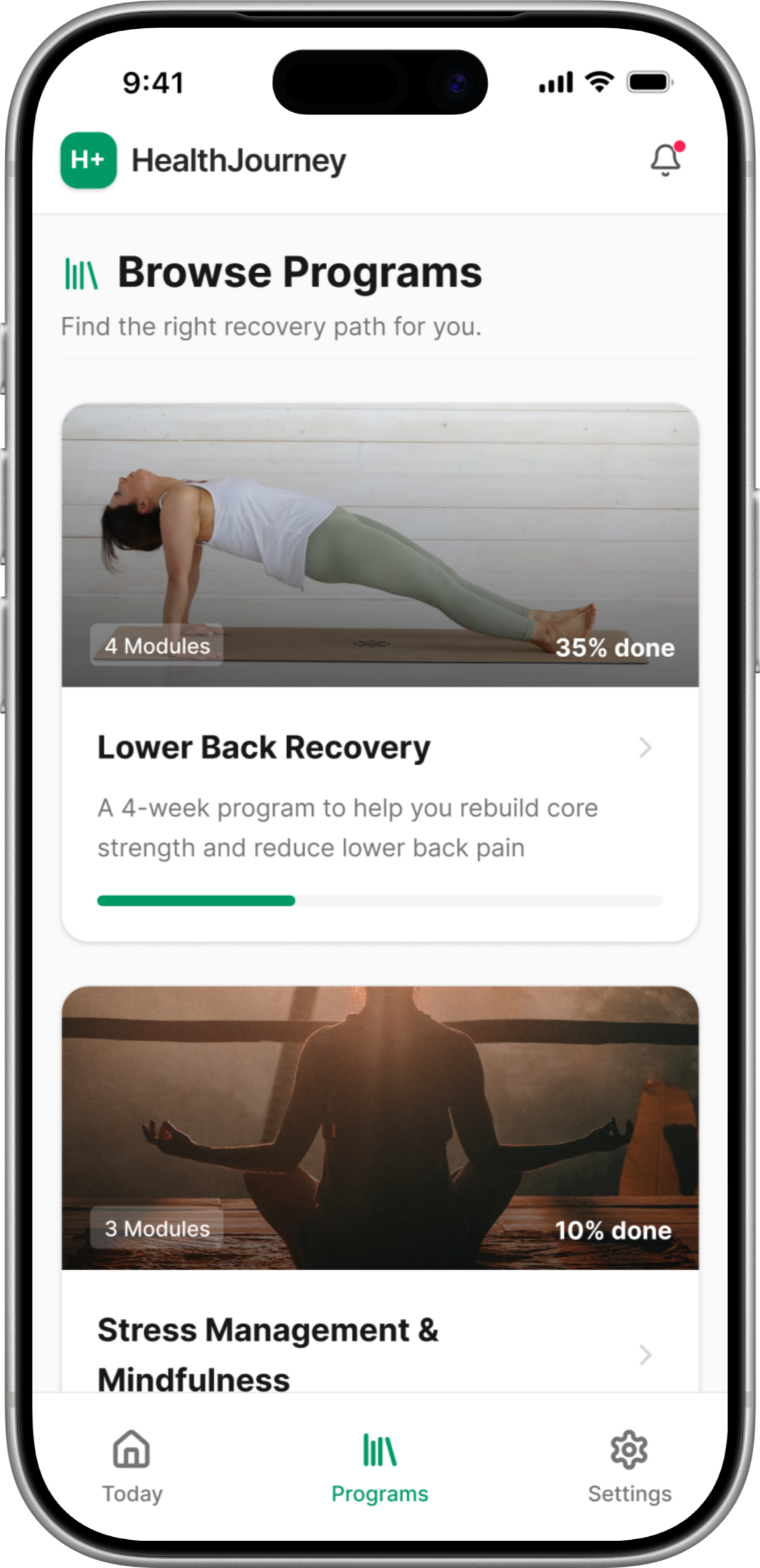
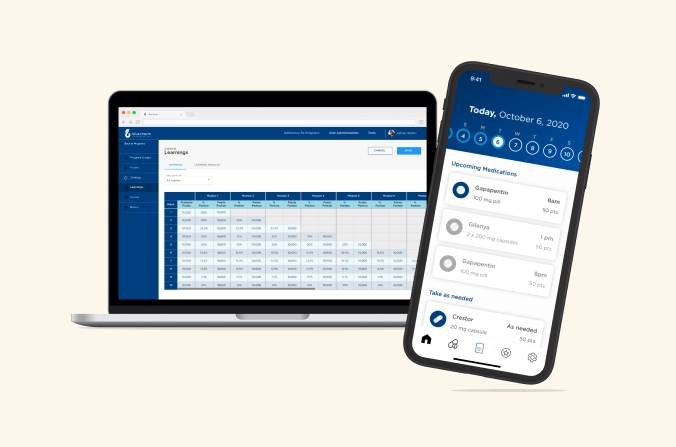
What a patient engagement app looks like in practice
A patient engagement app guides someone through a care program at home, delivering content week by week, tracking progress, and keeping patients connected to their care team between visits.
What our clients say about us
18 years
serving clients with reliable apps
10 million+
lives impacted
250+
successful projects delivered
“MindSea helped provide an environment whereby Blue Charm could transform innovative ideas into practical solutions for patients with chronic disease. Their process made it easy for us to focus on what the market needed by delivering best in class technology and app development.”
Blue Charm needed a flexible, compliant mobile platform to personalize education, reminders, and engagement to improve medication adherence for patients with chronic conditions. MindSea partnered with the team to define product priorities, design and develop an extensible app architecture, and provide ongoing support that helps improve patient engagement and health outcomes.
What features should a patient engagement platform include to improve adherence?
A patient engagement platform should include reminders, progress tracking, personalized education, secure messaging, and analytics to monitor behavior and outcomes.
How do I integrate patient engagement software with existing EHR or EMR systems?
Use APIs, FHIR, and standards-based integration to securely synchronize patient data, maintain workflow continuity, and support clinician decision-making across systems.
How can patient engagement apps improve communication between patients and providers?
By enabling secure messaging, video consultations, alerts, shared records, and automated follow-ups. This improves responsiveness, patient understanding, and engagement in care.
What security and privacy considerations are critical for patient engagement software?
HIPAA compliance, encryption, role-based access, secure storage, audit trails, and continuous monitoring safeguard patient data and ensure regulatory adherence. Read our comprehensive guide on building HIPAA-compliant apps.
How do I measure the effectiveness of patient engagement tools?
Track metrics like app usage, medication adherence, appointment attendance, symptom reporting, and patient-reported outcomes to assess engagement and clinical impact.
How can I use AI to personalize patient engagement?
AI can tailor reminders, educational content, interventions, and motivational nudges based on individual behavior, preferences, and clinical history. Find out more about our healthcare AI services.
Transform chronic care with software that supports real patient behavior