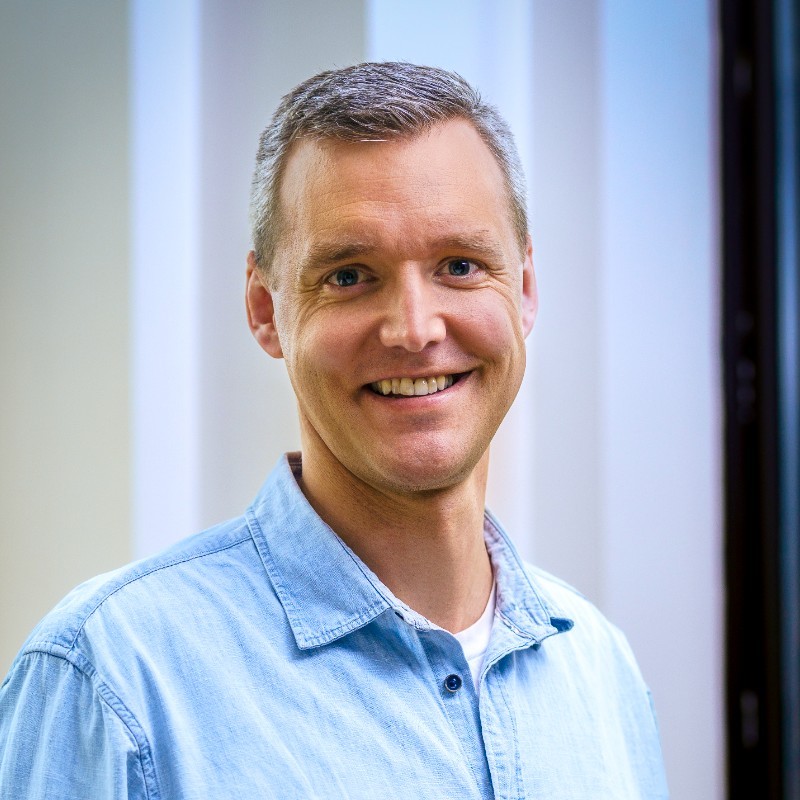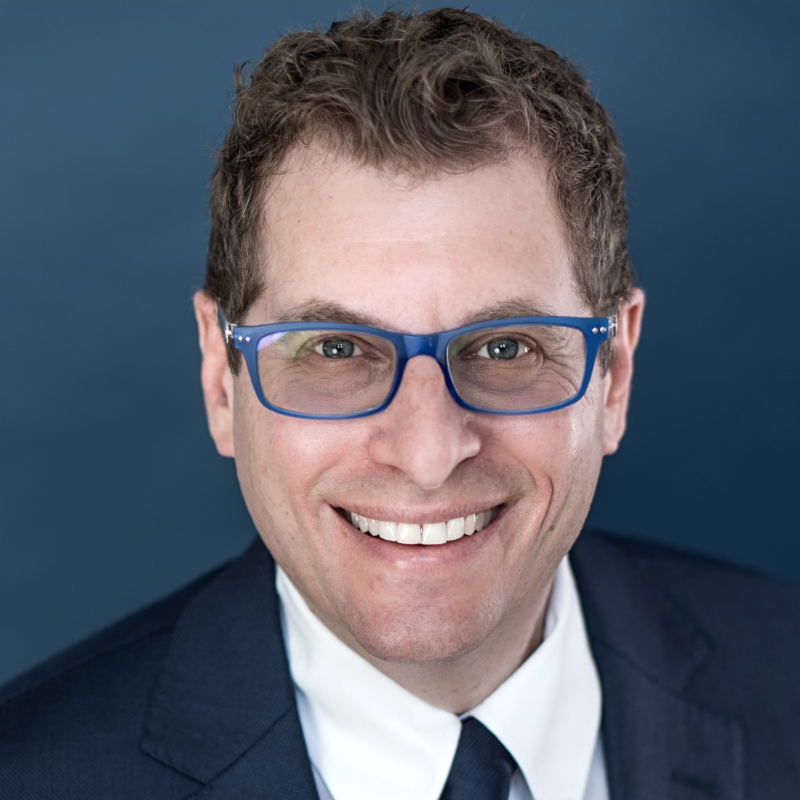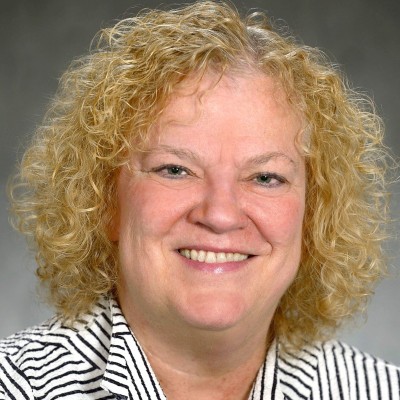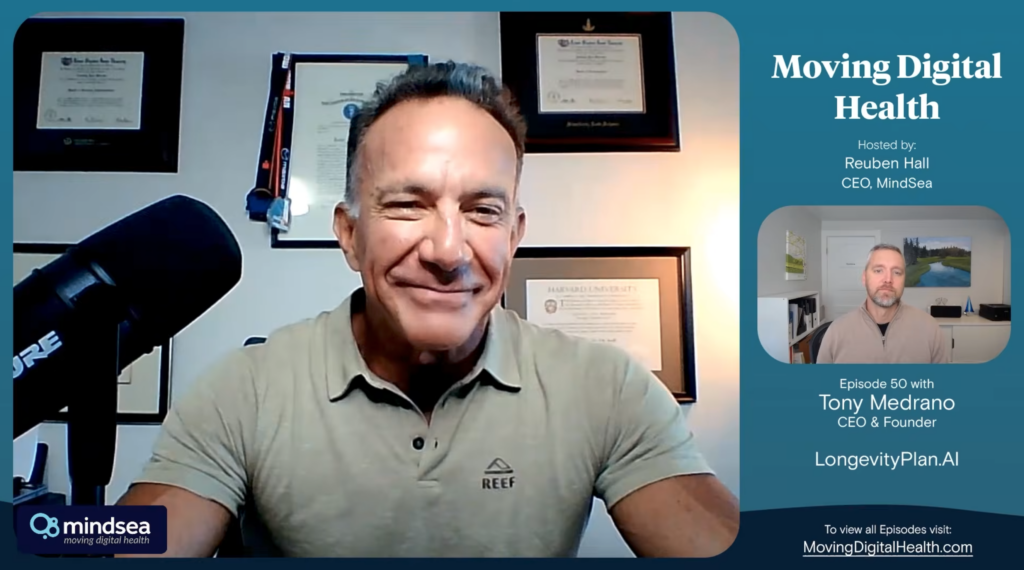

With Stuart Hart, MD, and Diane Newman, DNP, of Urology Health
Stuart Hart spent months trying to build Urology Health out of off-the-shelf telehealth tools before he accepted that it would not work. Stuart is a board-certified urogynecologist and the founder and CEO of Urology Health, a hybrid virtual care platform for bladder conditions. In this episode of Moving Digital Health, Reuben Hall talks with him and Diane K. Newman, DNP, Urology Health’s Chief Clinical Officer. They walk through what the team built instead.
More than 100 million Americans live with overactive bladder or urinary incontinence, and roughly 60 percent of US counties have no urologist. A woman with overactive bladder waits about six years for a diagnosis. First-line conservative care carries the strongest evidence and almost nobody delivers it. A standard visit runs 15 minutes, and there is no procedure to bill for. Stuart and Diane built a 12-week program to deliver it anyway, which meant building the software to run it.
MindSea designed and built the patient app and clinician portal behind that program, so this conversation goes further into product decisions than most episodes do. Stuart walks through why he ruled out existing tools and what he needed the clinician dashboard to show. Diane covers the design side, including how you build for a condition patients are embarrassed to discuss. Both of them close with advice for clinicians sitting on an idea of their own.
“You spend your whole career working in an area wishing for these tools and now we created the tools.”
Stuart Hart, MD, founder and CEO, Urology Health
Topics Covered in Episode 49 of Moving Digital Health (Stuart Hart & Diane Newman):
Why does a specialty care platform need multiple clinical perspectives in the room? (01:20)
How do validated questionnaires bring the patient’s perspective into a telehealth app? (04:26)
Why move evidence-based conservative care out of the academic clinic and into a digital-first startup? (06:53)
Why has urology lagged behind other specialties in telehealth? (08:35)
Why do traditional care models skip first-line conservative therapy? (13:59)
How do you structure a hybrid care model so patients move through first and second-line therapy before escalation? (17:45)
Why build custom software instead of a patchwork of off-the-shelf products? (23:36)
How do you design a patient app for a stigmatized condition? (26:14)
Where does a domain-specific LLM fit in a patient-facing health app? (28:30)
What should a clinician portal show to fit a clinical team’s daily workflow? (31:25)
What makes building a HIPAA-compliant patient app and clinician portal worth the effort? (36:35)
Why was insurance integration a day-one requirement for a telehealth platform? (40:38)
How should a digital health product define success after 90 days? (42:46)
How can clinicians take an idea out of the clinic and build a digital health product? (44:48)
Find Moving Digital Health on Apple Podcasts and Spotify, and subscribe to the MindSea newsletter to be notified about future episodes.
Read Transcript:
Reuben Hall (00:00)
Welcome to Moving Digital Health, a podcast series from MindSea Development. I’m your host from Reuben Hall, CEO of MindSea. Each week we sit down with leaders and innovators in healthcare to hear their personal stories and explore how they’re moving digital health forward. Today we have a very special episode featuring two guests from Urology Health: Founder and CEO, Dr. Stuart Hart, and Chief Clinical Officer Dr. Diane Newman.
Stuart is a board-certified urogynecologist with over 25 years of clinical experience and a decade as a medtech executive. Diane is an internationally recognized clinician, researcher, and educator with over 35 years of faculty experience in urology at the University of Pennsylvania and a pioneer in non-surgical pelvic health management.
Urology Health recently launched a first of its kind hybrid virtual care platform to address urology care gaps for the 100 plus million Americans living with overactive bladder and urinary incontinence. Today’s episode is extra special for me because MindSea served as the technical design and development partner behind the Urology Health Patient mobile app and the Clinician Web Portal. Stuart and Diane, welcome to the show.
Stuart Hart (01:17)
Great, thank you so much.
Diane Newman (01:17)
Thanks so much for having us. Yeah, thanks for having us.
Why does a specialty care platform need multiple clinical perspectives in the room?
A platform designed from one clinical viewpoint ends up treating an organ instead of a person. Stuart and Diane paired a surgeon’s view with a nurse practitioner’s because nurses produced much of the evidence base for non-surgical incontinence care. Both of them describe functional urology as undertreated in brick-and-mortar practice today.
Reuben Hall (01:20)
Stuart and Diane, between the two of you, you bring more than six decades of clinical experience. Stuart, you bring physician leadership and MBA and medtech experience. Diane, you bring world-renowned expertise in urology, nursing, research, and patient education. Why was bringing a physician and nurse practitioner perspective together so vital for redesigning urology care from the ground up?
Stuart Hart (01:44)
When you think about it, what you want to bring together to create holistic care for the patient is multiple viewpoints of healthcare. Too often we’re treating a patient from one particular viewpoint. Bringing multiple viewpoints from the various healthcare providers gives a much more comprehensive view for the patient.
Diane Newman (02:13)
And why it’s really important is that a lot of the evidence base around non-surgical treatment for incontinence was originally done by nurses in combination with physicians. So Stuart and I make a really nice team, because we bring two different perspectives to these conditions and the other conditions we will be treating. I always say they’re the foundation for a lot of the urologic symptoms we see in patients. I think we make the ideal team to approach these problems.
Stuart Hart (02:48)
I couldn’t agree more. The best way to treat a patient is to look at the patient as a whole. Too often in medicine we treat the patient by their symptoms, or by the organ that is causing the symptoms, and we know there are so many other parts causing those symptoms. If we look at the patient as a whole, treat all those other parts, and get the viewpoint from the nursing standpoint, the physician standpoint, and other providers like wellness coaches throughout the healthcare system, we can provide much more comprehensive care. We can better diagnose them, better treat them, and better relate to them, which is so important in healthcare.
Diane Newman (03:42)
Stuart and I both recognize that a lot of what we call functional urology conditions, like urinary incontinence, overactive bladder, and urinary tract infections, are not being treated adequately in the current brick-and-mortar urology or urogynecology practice here in the United States. We understand that patients, both men and women, are not getting the full range of treatments that have been shown to be successful. So we fit together as a team in our approaches, and we feel that digital health is the way to do this.
How do validated questionnaires bring the patient’s perspective into a telehealth app?
Patients complete validated questionnaires before the visit. The clinician opens the appointment with a full symptom picture rather than fifteen minutes to assemble one. The platform summarizes the results, which shortens the visit without thinning it. That same data feeds the graphs patients watch as they move through the program.
Reuben Hall (04:26)
Stuart, you mentioned multiple perspectives. How have you brought the patient’s perspective to the mobile app as well?
Stuart Hart (04:33)
It’s a great point. Too often a patient comes in, you spend a few minutes with them, you ask a few questions, and in the current constraints of the healthcare system you have to understand where that patient is, understand their symptoms and what’s bothering them, and then make a diagnosis and come up with a treatment, usually in a 15-minute office visit. It’s just not feasible to adequately treat those patients that way.
Using digital health allows us to better understand that patient. We start with a series of validated questionnaires that are scientifically proven and give us an enormous amount of information. That allows us to look at the patient as a whole, dive deeply into their symptoms, and come up with a better diagnosis and then better treatment.
So it’s utilizing our experience, and then utilizing what is really the power of digital health. We can still do what the patient came to us to do in a 15-minute office visit, but we have so much more information available at our fingertips. We take all the information the platform obtains from the patient ahead of time, summarize it, and that lets us be much more efficient in the time it takes to treat the patient. I feel these technologies are going to revolutionize medicine.
Diane Newman (06:10)
Stuart’s right. Some of the things we looked at for patients: they can use their computer, their phone, or their iPad, and we want to make sure it’s visual, easily found, and easy to go through the program. We’ve also created a lot of neat things in our approach, like being able to track the patient’s symptoms over time in a very patient-friendly way, with graphs to show them where their symptoms were when we started, where they are halfway through, and how far they’ve come. We really developed this program with patients in mind.
Why move evidence-based conservative care out of the academic clinic and into a digital-first startup?
Diane has more than 35 years as a university faculty member in urology, including two decades at the University of Pennsylvania, delivering treatments that carry the highest level of evidence for incontinence and overactive bladder. The current practice model cannot accommodate them. They take time and individualization, and there is no procedure to bill. Her published research on a group bladder health class showed the approach works outside a one-on-one visit, which pointed her toward digital delivery.
Reuben Hall (06:53)
Diane, you spent over 35 years at the top of academic medicine at the University of Pennsylvania shaping national treatment guidelines. What made you decide that now was the right time to step out of the traditional academic clinic and bring your clinical experience into a digital-first startup?
Diane Newman (07:12)
That’s a great question, and a little bit of a depressing one for me. I’ve been doing these treatments since the 80s, and there’s quite a bit of evidence showing that what we call conservative treatments for many urologic conditions, starting with urinary incontinence and overactive bladder, have the top level of evidence showing they are effective in a group of individuals, men and women. I was able to do that for many years at the University of Pennsylvania.
But urology practice has changed. It’s not something that can be delivered in medical practice as it currently stands with our current model. It takes a little more time, it takes individualization, and there’s no procedure per se that we can bill for. Time may not be compensated as much as we’d like. So to me, this delivery of evidence-based treatment is the way to go.
I also base that on some of my research, where we ran a bladder health class. We had a class of women where we did these conservative treatments, and we published that data showing it’s very effective. So we know this is the next step for delivery of this care.
Why has urology lagged behind other specialties in telehealth?
Telehealth worked its way from primary care through weight loss and urgent care into specialty medicine, and skipped urology. Stuart puts that down to a technology gap. The tools to treat a urology patient remotely arrived only in the last two or three years. The demand is not in question. More than 60 percent of US counties have no urologist, and the shortage will worsen over the next 20 years. Diane adds something most people expect to go the other way. Patients with stigmatized conditions often open up more on a screen than in an exam room.
Reuben Hall (08:35)
Stuart, your recent press release highlighted that over 100 million Americans suffer from bladder health issues, yet 60 percent of US counties don’t have a single urologist. Why does pelvic health lag behind other specialties in the telehealth revolution?
Stuart Hart (08:52)
It’s a great question, and one I’ve asked myself over and over. The answer is probably several-fold. Telehealth started in primary care, then moved into weight loss and urgent care, and now it has moved into more specialty care. But it hasn’t penetrated urology in any meaningful way. That’s probably due to a technology gap. When you move into telehealth you still need to treat the patient exactly as you would in the office, but using different tools and a different platform. The technology really wasn’t there yet to be able to do it.
Up until about two to three years ago, we weren’t developing the quite amazing digital health tools that can now be integrated into a platform and enable care of a urology patient remotely, in a way we’ve never been able to do outside of an office. As the tools and the technology continue to evolve, and as we can diagnose and manage that patient through telehealth platforms more, I think more and more of that care is going to move in the telehealth direction.
And we need to. As you pointed out, that statistic is pretty astounding: over 60 percent of counties in the United States do not have a urologist. We have a significant shortage of urologists, and unfortunately that’s only going to worsen over the next 20 years. So we need to find a more effective way to engage patients and provide accessible care for these conditions. At the same time it has to be cost-effective, and that’s the promise of digital health.
In some ways it’s even better care, because you can see the patient more frequently, you can be available to answer questions, and you can build technologies into platforms that answer questions 24/7. If a patient has a question in the middle of the night, they can get the answer without having to call an on-call clinician and hope they get a response. I think it’s the way we’re going to manage this enormous group of patients in urology and in many other fields in the future.
Diane Newman (11:42)
We’re starting with two conditions that are very stigmatized for a lot of men and women: incontinence, or urine leakage, and urgency frequency, always going to the bathroom. What the research has shown over the past 20 to 30 years is that, especially with women, most do not seek treatment and most providers don’t ask about it. There’s a stigma associated with these conditions, and there’s embarrassment.
I really think the telehealth model is going to be very effective. It’s more personable. I learned that during the COVID years when we started telehealth. I can’t explain it, but it was almost like I was much closer to that patient and able to pick up more things about them than in the office. We showed during that period that telehealth can be a very effective way to deliver care in medicine. Now, with the AI-generated tools we have, we’re taking the next step to refine it and enhance it more.
Stuart Hart (12:56)
I want to reiterate what Diane was saying, because she brings up a great point. If you look at a woman with overactive bladder, the time from developing symptoms to diagnosis is over six years. For men it’s a little shorter, but six years from the time they develop symptoms to the time they’re diagnosed. Those symptoms can significantly impact many other parts of their life. It reduces their quality of life, it affects their sleep, their ability to work, whether they have depression or anxiety. To wait six years for a diagnosis is just too long. That’s why we need to utilize technology to help better manage and diagnose these patients.
Why do traditional care models skip first-line conservative therapy?
Conservative treatment is a conversation, and visit lengths keep shrinking. Teaching a patient how diet and weight affect their symptoms does not fit a slot built around billable procedures. Diane points out that European practice treats conservative care as standard while the US moves further from it. The same delivery model already works here for smoking cessation and diabetes monitoring. She also connects nighttime bathroom trips to falls, which Medicare pays for at enormous scale.
Reuben Hall (13:59)
Diane, you’ve advocated your entire career for those conservative first-line therapies like behavioral modifications, fluid management, and pelvic floor muscle training. In traditional healthcare, why do patients so often get rushed straight to heavy medications or invasive surgeries, skipping those first steps?
Diane Newman (14:21)
That’s a really great question, and there are so many reasons why. One of them is that conservative treatment takes some time. We’re teaching an individual what their symptom is and how we can change behavior. One example: a cause of going to the bathroom frequently, or even urine leakage, is the foods you eat and the liquids you drink, so we discuss their diet. Another is that we know obesity and being overweight can trigger these urinary symptoms, so we discuss ways to lose weight so those symptoms can improve. You find that in medicine, the way our system is set up, we have shorter and shorter time to spend with patients. That’s a real problem.
That’s why a lot of these conservative treatments haven’t gone anywhere. But I’ll tell you, in Europe and other countries, conservative treatment is really part of care. We’re not seeing that in the United States, and what’s sad is I think we’re moving further away from it. So to me, the time is now to deliver this in a more personable, thorough way, right where the patient is. At home, wherever they are, we can provide this care. We’re doing that with other conditions, like smoking cessation and monitoring diabetes. To me this is a nice progression into urologic diseases.
Reuben Hall (15:58)
I remember speaking with my dad. He was complaining about being up at night and having to go to the washroom, and then later he was having this really large glass of herbal tea at ten o’clock at night. I said, well Dad, of course you have to get up in the middle of the night. You’re drinking all this fluid right before bed. Sometimes even simple behavior changes can help make a difference, in combination with others.
Diane Newman (16:30)
You bring up two big points. Number one, you’re right. Herbal tea actually has caffeine in it unless it says caffeine-free. Number two, the aging population. Why we need more delivery models out there is because we have a growing population of older adults. Urologic problems like enlarged prostate and urinary tract infections are more common as we age.
And you bring up your father. Please be careful, because one of the biggest problems with getting up at night is falls. There’s quite a bit of data showing that falls occur when someone is trying to access the bathroom. It may be dark, they don’t have a night light on, they trip on a chair or a carpet, and they break a large bone like the hip. Medicare data shows that’s increasing in older adults, and it’s also one of the highest costs of Medicare payments in this country, replacing the hip. That also feeds into why we need more urologists, because this aging population is going to seek care.
How do you structure a hybrid care model so patients move through first and second-line therapy before escalation?
Everyone starts in the same place, a 12-week structured program of first-line conservative treatment, built for women first with a men’s version to follow. Clinicians in the network can escalate to medication and send labs to the patient’s home. The platform refers anyone who exhausts both lines into the health system for diagnostics and surgery. Stuart calls the whole thing medical urology, a layer that does not exist today between primary care and the operating room. Six-month referral waits are what push patients to give up.
Reuben Hall (17:45)
For both of you, how does Urology Health structure its hybrid care model to ensure patients actually get guided through conservative first-line and then second-line therapies before being escalated?
Stuart Hart (17:57)
We designed it to do what Diane was talking about. We focus on first-line therapy first. If you look at the science over many years, we know that first-line conservative treatment works very well, so we want every patient to have the opportunity to try it. We built an entire 12-week platform for women, and we’re going to build it up for men as well, to go through a structured, scientifically proven method of understanding what is happening to them, their behaviors, how they can change that, and how they can improve using the science behind conservative treatment.
We do know some patients won’t get better on conservative treatment, or won’t get better enough to their satisfaction. So we have the ability, through our telehealth platform and our clinician network, to prescribe medications as well. We also know that if you start a medication for overactive bladder and you’re doing first-line conservative treatment first, or combined with the medication, you do much better overall than if you’re just given a medication. So we provide care just like you’d get from a traditional brick-and-mortar specialist. We provide medications, we can send labs to the patient’s home to check their urine, and we combine that with first-line therapy.
If a patient has exhausted both first-line and second-line therapy and needs to move on to surgical treatment, we refer them into the healthcare system for proper diagnostics and surgery. So it’s really comprehensive care. Diane and I talk about this all the time. We’re providing what we call functional urologic care, or medical urology. If you think about the field of urology, it’s truly a surgical specialty. Most urologists and urogynecologists like myself are trained surgeons who spend a lot of time in the operating room, and we don’t have a lot of time to spend in the office dealing with the medical or functional side. Some do, but most are very busy in the operating room.
And there’s no medical urology specialty if you think about it. We have primary care and we have urology and urogynecology, but nothing in the middle. There’s a real need to develop that medical urology infrastructure to manage chronic urologic patients. That’s what we’re doing with this digital health platform. We want to manage the medical or functional urologic problems before they get to surgery, because the patient may never need surgery, and we can manage them effectively in a very cost-effective manner.
We know that primary care physicians will often try something and then refer on, and in many places throughout the country it can take six months or longer to get in to see a urologist. Many patients get frustrated, give up, and never see care. That’s probably the reason it takes a woman over six years to get a diagnosis and treatment. So we want to sit in the middle, in the medical urology specialty we’re creating, manage those patients, and triage them back to the primary care doctor or on to a specialist as needed.
Diane Newman (21:59)
We’ve been talking about the aging population, but another group we’re really interested in, where we feel this is the right platform and the right way to deliver care, is childbearing women. There’s quite a bit of data showing that women go through childbirth and may start to develop urine leakage. They leak urine with laughing, coughing, and sneezing during pregnancy, and it persists in about one out of three women six months post-pregnancy. Our conservative treatment has been shown to be the best evidence out there for success, especially if that woman wants to go on to have more children, because we want to make sure she’s protected so she doesn’t worsen the pelvic floor, which is where the baby comes through.
So we’re very interested in that childbearing woman, between the ages of 20 and 50 now, since women are older when they’re having babies. We think this is the right model for those individuals. They’re probably home with a young baby or back at work, and they may not have time to take off to go to an office. In Philadelphia, where I am, it sometimes takes someone a whole day to get there, wait for the visit, and leave. We feel this is a great way to deliver care that makes sense in our present environment for men and women.
Why build custom software instead of a patchwork of off-the-shelf products?
Stuart started where most teams should, by trying to buy. Individual components held up under evaluation. The pathway as a whole did not. It had to carry a 12-week treatment program alongside patient education and clinician escalation, inside one experience that felt natural to a urologist. That is the condition worth borrowing from this build. When the care pathway is the product, the software has to be shaped around it. Months of evaluation are what earn you the confidence to say so.
Reuben Hall (23:36)
Stuart, when you set out to build Urology Health, you had complex clinical pathways and decades of research, but you needed to turn that into an intuitive software experience for the patient. What made you choose to build a custom solution as opposed to just a patchwork of off-the-shelf products?
Stuart Hart (23:59)
We spent a lot of time early on trying to figure out whether we could use off-the-shelf technology. There’s some that can be utilized, and clearly it’s easier if you can. But as Diane and I dove into figuring out what the pathway is for the urology patient, the best way to see that patient, interact with them, manage them, and treat them long term, we very quickly realized that the only way to leverage technology to truly treat that urology patient in the best way possible is through custom software design.
We talked about this at the beginning: why has it taken so long for the urology specialty to adopt telehealth? I think a lot of it has to do with the technology that’s out there. There’s increasingly better technology coming out that enables care through telehealth, but it has to be put together in a way that feels natural for the flow of the patient and the provider. The provider is used to certain ways of treating that patient, so we had to make sure it fits within the treatment paradigm of urology.
After spending months and months looking at various solutions, we came to the realization that to do everything we needed it to do, to educate patients, to create a 12-week conservative treatment pathway, to put in a lot of other functionality that’s in the app, we had to go with a custom build. Looking back over the last year of doing this, it was clearly the right decision. We couldn’t have built this platform just pulling together current technology and layering it on top of each other or connecting it.
How do you design a patient app for a stigmatized condition?
Diane’s modules lead with education, teaching patients what the bladder does and what makes symptoms worse, and borrow techniques from cognitive behavioral therapy. Progress shows up as graphs and smiley faces rather than raw scores. Wellness coaches and a clinical team sit behind the app, so no patient is left interpreting their own data.
Reuben Hall (26:14)
Diane, bladder and pelvic health issues, as you mentioned, carry a real social stigma, and patients often feel embarrassed to talk about them. When you were working with MindSea’s design team on the patient app, how did you think about the patient experience and messaging to make the daily tracking, education, and exercises feel discreet, supportive, and empowering?
Diane Newman (26:42)
We’ve done a lot of great things with this app, I have to tell you. Number one, a lot of our modules are heavy on education, teaching them about their bladder, what it means, and what the risk factors are. We’ve also brought in things like cognitive behavioral therapy, which has been shown to help individuals identify their behavior and understand how it can be changed to be more effective for what they need. We really tried to think about the patient when we developed these.
One thing I like about the program is that it’s very visual. I wanted to make sure that what the patient sees is not a group of numbers. We factored in graphs. As people improve, they track their progress as their symptoms improve. We have smiley faces to say, you were here, now you’re up here, it’s better. A lot of positive reinforcement.
We also have counselors and wellness coaches to begin with, but we also have a medical arm. Patients will talk with a provider, either a nurse practitioner, a physician assistant, or a physician, to help them understand what’s going on with their symptoms and what else is needed. The whole program has been developed based on what that patient needs and what I always call patient-friendly. Like Stuart said, there’s really nothing out there like this at this point. We’ve looked at a lot of different programs, and we think ours is very comprehensive but also very patient-focused.
Where does a domain-specific LLM fit in a patient-facing health app?
Urology Health trained its own language model on current urology literature so a patient asking a bladder question gets an answer grounded in the evidence. Stuart’s reason for skipping general-purpose models was hallucination risk. AI also runs on the back end, capturing patient information and summarizing it for the clinician. The treatment program writes into the electronic health record too, so visit summaries and referrals reach the chart without adding work for the provider.
Reuben Hall (28:30)
Stuart, how have you leveraged AI in the patient experience of Urology Health to provide a more personalized approach?
Stuart Hart (28:39)
It’s AI, it’s all the technology, and it’s all about providing a personalized approach, exactly as you said. We want the patient to feel very comfortable when they come onto the platform. We leverage AI in multiple ways. On the back end, we use it to ensure we’re capturing the right information on the patient and that the information we capture is summarized correctly.
We even built our own LLM that is very specific to urology conditions. The LLMs that are out there now are incredible, ChatGPT and Perplexity and Anthropic, a lot of great companies, but they do have issues with hallucinations. We wanted to avoid that. So we created our own LLM using the latest and most comprehensive literature and research. Patients can ask our bladder expert function any bladder-related or healthcare-related question, and they’ll get a very accurate response. That was another way we integrated AI.
We’re constantly looking for other ways to make better sense of the data we’re getting in, and to use that data through AI to provide better care. The ultimate goal is better outcomes for the patient.
Diane Newman (30:16)
We’ve been able to integrate our AI-generated treatment program with electronic health records. That is not being done to a great degree at this point. We’re going to be able to assist with summarizing visits and referring the individual on for specialty care if they haven’t met their goals or their symptoms haven’t improved the way they want. That’s very unique. More and more health systems are looking to do that, but we’ve made sure we’re in the electronic record, so if another provider comes along for another problem, they see what’s happening with the patient’s bladder.
That area is really evolving. More and more people are making it seamless and making sure we’re not adding more work for the provider, which is always the biggest complaint. I think AI has really jump-started us in that area.
What should a clinician portal show to fit a clinical team’s daily workflow?
The portal turns questionnaire scores into a picture of the last several months. A provider can see which symptoms are holding steady and which are getting worse. So can the patient, who rarely remembers where things stood a year ago. Stuart says nobody had built that view before. The back end tracks completion and adherence as well, which will eventually show the team which patients improve and why.
Reuben Hall (31:25)
On the provider side, MindSea worked with you to develop the clinician web portal to track patient progress. Diane, as someone who literally wrote the book on clinical protocols, how does this clinician portal help your clinical team in their day-to-day workflow?
Diane Newman (31:42)
It’s been wonderful working with MindSea, because they take our criticisms and they respond. We keep saying, no, this is not going to work this way. Just putting the questionnaires in, for instance, and making sure we had ways to move a bar along as opposed to having to type or click a number. Things like that. I’ve found them to be extremely responsive, especially since they don’t know urology, and this is all very new. How can we make this more pleasing for the patient experience? MindSea has been great at taking constructive criticism and designing specifically what we want, thinking about the provider but also about the patient.
Stuart Hart (32:41)
The dashboard we developed, no one has ever done that before. We had this idea to visually present the data, because it’s a lot easier to understand data, both for the healthcare provider and for the patient, when you see it visually. So we took all the data from these validated questionnaires, displayed it visually, and then followed the data over time.
Visually we can see when certain symptoms are staying the same, worsening, or improving. It gives the healthcare provider insight into what that patient is experiencing in a way that’s never been accessible before. That’s what was so exciting about the journey with this dashboard. It had never been developed before, so we had to create it, and then work with MindSea to take our idea and put it into practice in a way that is engaging and allows the provider and the patient to look at the data at the same time, understand it, and come up with better treatments.
It also lets the patient follow their own data over time, so they get better insight into how their symptoms are progressing. So many patients don’t remember whether their urinary urgency or frequency was a little better or a little worse a year ago. When you have objective data and you can see on a graph that it’s been improving, or maybe it’s gotten worse, it’s a lot more impactful. Those insights give us the ability to treat patients in a way we’ve never been able to before.
It gets back to the power of digital health. We can see things we just couldn’t see before. In a 15-minute office visit we didn’t have time to collect the data we can now collect. Those insights are going to make care better and outcomes better, and at the same time help reduce the cost of healthcare.
Diane Newman (35:07)
The other thing this allows us to do, which I’m very interested in, is know the variables that make a difference. We’ll know how many individuals came into the program, how far they went, whether they finished it, whether they adhered to our treatment recommendations, their age, so many things we can track on the back end. I don’t know of anyone doing this. Even in a lot of the electronic charts we have in practice, we can give you a graph of your labs and maybe a summary of your X-rays, but we can’t get to symptoms at this point. Where were you a year ago? Where were you six months ago? Have you done what we asked? With AI and doing this virtually, we’ll be able to track how long they were on the program. There are so many advancements we’re going to have in this program. I don’t know of anybody else doing this to this degree, so I think we’re very much ahead of the curve.
Reuben Hall (36:21)
As you said, getting the data in between the visits with the clinician is so important, because it gives that more holistic picture of what’s happening over the long term.
What makes building a HIPAA-compliant patient app and clinician portal worth the effort?
Stuart describes roughly 18 months of work and the satisfaction of finally holding tools he spent a career wishing for. Electronic health records promised that and never delivered it. Diane’s version of the same point starts with paper charts she never read all the way through. The platform is built to expand as Urology Health adds states.
Reuben Hall (36:35)
Stuart, building this whole system, a HIPAA-compliant platform with a patient app on one side and a clinician portal on the other, is a major undertaking. What was the most rewarding part of that collaboration process with MindSea that brought your vision of accessible urology care to reality?
Stuart Hart (36:57)
So many parts. It’s taking the many years of clinical practice, over 60 between Diane and me, and all the things we wanted clinical practice to be, all the tools we wanted. EHR was supposed to live up to this great reputation and it just hasn’t. So you combine those years of clinical experience with our vision of what the future looks like and the tools we need to deliver better care, and we spent the last year, almost 18 months, creating that future environment.
When we look at it now that it’s created, and we’re continually evolving it, you spend your whole career working in an area wishing for these tools and now we created the tools. We created the platform we wish we always had. There’s huge satisfaction there and huge excitement. Then we start thinking, this is amazing, how can we now apply this to better treat and engage our patients, and get the outcomes we always wanted with the tools we always wanted to deliver them?
Diane, myself, and many other healthcare providers in the space have had this vision for many years, and we actually built it. We had an amazing team of advisors, and working with MindSea and all your expertise. It’s challenging, it’s not easy, but it is so rewarding when you get to the other side and realize you’ve created something that is truly going to have an impact. Our goal is impact across the entire US over the next several years as we launch and grow into other states. At the end of the day it’s all about the patients and their families we’re going to be able to take care of.
Diane Newman (39:20)
I’ve been in medicine a long time. Stuart and I started out with paper charts. I used to have charts this thick, and I’ll tell you right now I never read them all. Then we got into electronic health records, but we haven’t done much more than that. For me to find information about a problem, I’d have to leave my electronic health record and go on the internet, or before that, open a book.
We’ve now created something where it’s all at the fingertips of the provider. They’ll be able to see progress. If they want to prescribe something, they can find out what the evidence says about it versus something else. Working with MindSea, we say we want to add this and this, and you’ve been able to incorporate what you’ve built into our electronic health records, as Stuart said. It’s all coming together. The technology is at such a high level, and it’s something that is really lacking in medicine. We feel we’re one of the first out of the gate, quite frankly.
Reuben Hall (40:38)
It’s one thing to see the problem in the system and live with it knowing it could be better. It’s another thing to go out and build the solution. Good for both of you for taking that leap and making it a reality.
Why was insurance integration a day-one requirement for a telehealth platform?
Access was the whole reason to build, so billing had to work at launch. Urology Health went live in Florida and Pennsylvania taking major insurance plans, health savings accounts, and cash. Stuart points to roughly 80 million people in rural parts of the country who cannot reach this kind of care today. More states are coming, with a goal of all 50 within a year.
Reuben Hall (40:38)
Stuart, you mentioned expanding to other states. You launched in Florida and Pennsylvania, already accepting major insurance plans, HSAs, and cash options. Why was the insurance integration a non-negotiable feature from day one?
Stuart Hart (41:19)
We built this platform to provide accessible care for patients, so we wanted to accept as many insurance plans as possible. We want this to be a platform for any patient throughout the US who needs care and is having a difficult time finding it. If you look at the rural parts of the country, there may be 80-plus million individuals who don’t have access to this type of care. We want it to be accessible to them.
That’s what’s so great about a digital health platform: we can treat patients throughout all 50 states. It doesn’t matter where you are. You could be in a very remote part of the US or in a major city. We can provide accessible care. So it was really important to us that any patient who needs care can get care. We obviously can’t accept every insurance policy out there, but our goal is to accept as many as possible so we can provide this care to those who need it.
Diane Newman (42:37)
We’re starting with these two states, but we’re ramping up and adding more states every day, with a goal over the next year to get to all 50.
How should a digital health product define success after 90 days?
Diane measures it in what patients get back, from exercising again to dropping the monthly cost of absorbent products. Patients who improve by half routinely tell her they are doing well. Her research points to at least four out of five people succeeding on the program. That figure comes from her earlier clinical work rather than from the app. Stuart reduces the whole question to quality of life.
Reuben Hall (42:46)
Diane, beyond the clinical metrics, what does success look like for a patient who uses the Urology Health app for 90 days? How does getting control of bladder health transform your life?
Diane Newman (42:58)
I’ve been practicing in this area since the 80s, and it’s very rewarding. One example is people who exercise, where jumping and activity may trigger urine leakage, even a small amount. I have women who have stopped exercising, stopped going out dancing, because they leak urine, and who are worried about going on a trip because they’re not sure they’ll be able to access a bathroom.
When you see the change in their symptoms, it’s rewarding. There’s also a financial piece. Absorbent products are needed and very helpful for patients who leak urine, but they’re expensive. I have patients who get 50 percent better and say, I’m great, I’m doing really well, I’m able to do more things, this is wonderful. It’s very rewarding as a clinician to see that. I’ve done this in research and worked with many groups of women and men. These things work. We know this program will be successful in at least four out of five people who come into it, and we feel the delivery is what’s going to make it even more successful.
Stuart Hart (44:23)
At the end of the day, it’s all about their quality of life. Have we improved their quality of life? That’s what we strive to do: improve their quality of life, improve the time they have with family and friends, and make their daily chores and work more comfortable so they don’t have to deal with these symptoms.
How can clinicians take an idea out of the clinic and build a digital health product?
Clinicians see the gaps because they work inside them. Stuart expects many of the next health tech companies to come from providers who act on one. His second piece of advice is blunter. Nobody trains for this in medical school, so find partners who have built before, and ask other clinician founders what went wrong for them. Diane sees the whole arc as care returning to where the patient lives.
Reuben Hall (44:48)
To wrap it up, speaking to the clinicians, nurse leaders, and medical directors listening who see these care gaps in their own fields, what advice would you give them on taking an idea out of the clinic and building a direct-to-consumer digital health product?
Stuart Hart (45:08)
There are so many gaps in healthcare, and there’s no better group of individuals to identify those gaps than healthcare professionals. We live and breathe delivering healthcare to patients, so we know what the gaps are. I think many future health tech companies are going to come out of healthcare providers identifying a gap and launching a company. So I encourage everyone.
As healthcare providers, we spend all our years in schooling and training to provide healthcare, but I think healthcare goes way beyond speaking to patients and delivering care. It gets into the administrative side of medicine, the innovative side of medicine, and creating new care delivery pathways for patients. We all want the best outcomes for patients. That’s why we went into healthcare. As technology has evolved, it’s no longer just about direct patient interaction. It’s about helping the entire healthcare ecosystem improve.
I’d encourage any healthcare provider who has a great idea to improve care in their specialty or another specialty to find a way to do it. It’s really important that we all come together as healthcare providers and strive every day to improve healthcare for all our patients, and that’s everyone. We’re all patients. It’s our families, ourselves, and our communities. So it’s important that we think beyond the day-to-day of seeing patients to the broader healthcare ecosystem.
I spoke to a lot of healthcare providers going through this journey, because this is foreign to most of us. We didn’t train to do this. We didn’t learn it in school. We had to figure it out. That’s why partnerships with companies like MindSea and so many other great partners are so important, because you can’t do this alone. That’s the best advice I’d give any healthcare provider who wants to do this. You can’t do it in a vacuum. You have to partner with people. You have to find people with experience who can guide you: mentors, other successful companies, other healthcare providers who’ve done it. Many of us are glad to provide that mentorship, give feedback, and tell you about our journeys, what we did right and what we didn’t do right along the way. We’re all in this together, and I look forward to many new gaps becoming new healthcare technologies in the future.
Diane Newman (48:16)
I think about the trajectory of medical care. Remember when we had the family doctor who came into your home? That’s not that many years ago. Then we developed all these elaborate medical centers and surgery centers, and I think we’ve gotten away from where the patient lives. We brought them in and tried to recreate what their problem is. So to me, this is a natural progression. We moved into retail centers, like the clinics at CVS. Now AI has developed to the point where we can do it online, right there in the patient’s home, and provide top-notch medical care.
It’s really important that we have a partner like MindSea helping us do that. We can’t do this alone. This partnership of technology with medicine is a win-win situation, so we’re really excited about that. Thank you for interviewing us because your group has been wonderful to work with. Very, very responsive no matter what we tell them.
Reuben Hall (49:27)
And a big part of this podcast is about sharing those stories of the physician entrepreneurs out there building these solutions. So I really appreciate your time, Stuart and Diane, for joining me on the podcast and sharing your story today.
Diane Newman (49:46)
Thanks for having us.
Stuart Hart (49:47)
Yeah, thank you so much for having us.
Reuben Hall (49:49)
And thanks everyone for listening to the Moving Digital Health Podcast. If you enjoyed this conversation, please go to movingdigitalhealth.com to subscribe to the MindSea newsletter and be notified about future episodes.