Telemedicine app development tailored to your clinical workflows
At MindSea, we design and develop custom telemedicine apps that enable patients to access virtual consultations easily and help clinicians deliver care more efficiently. We work alongside your team from early strategy through to launch, building secure, reliable platforms that support video consultations, simplify clinical workflows, and strengthen continuity of care.
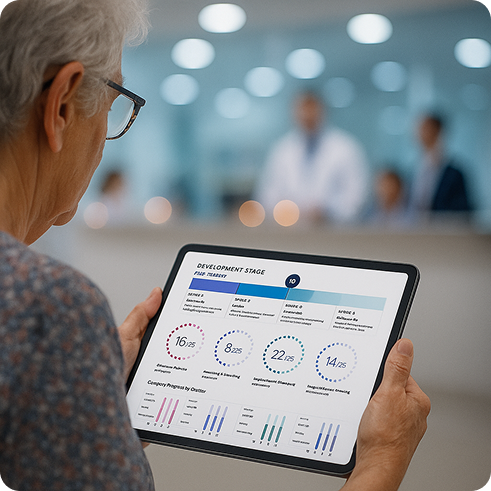
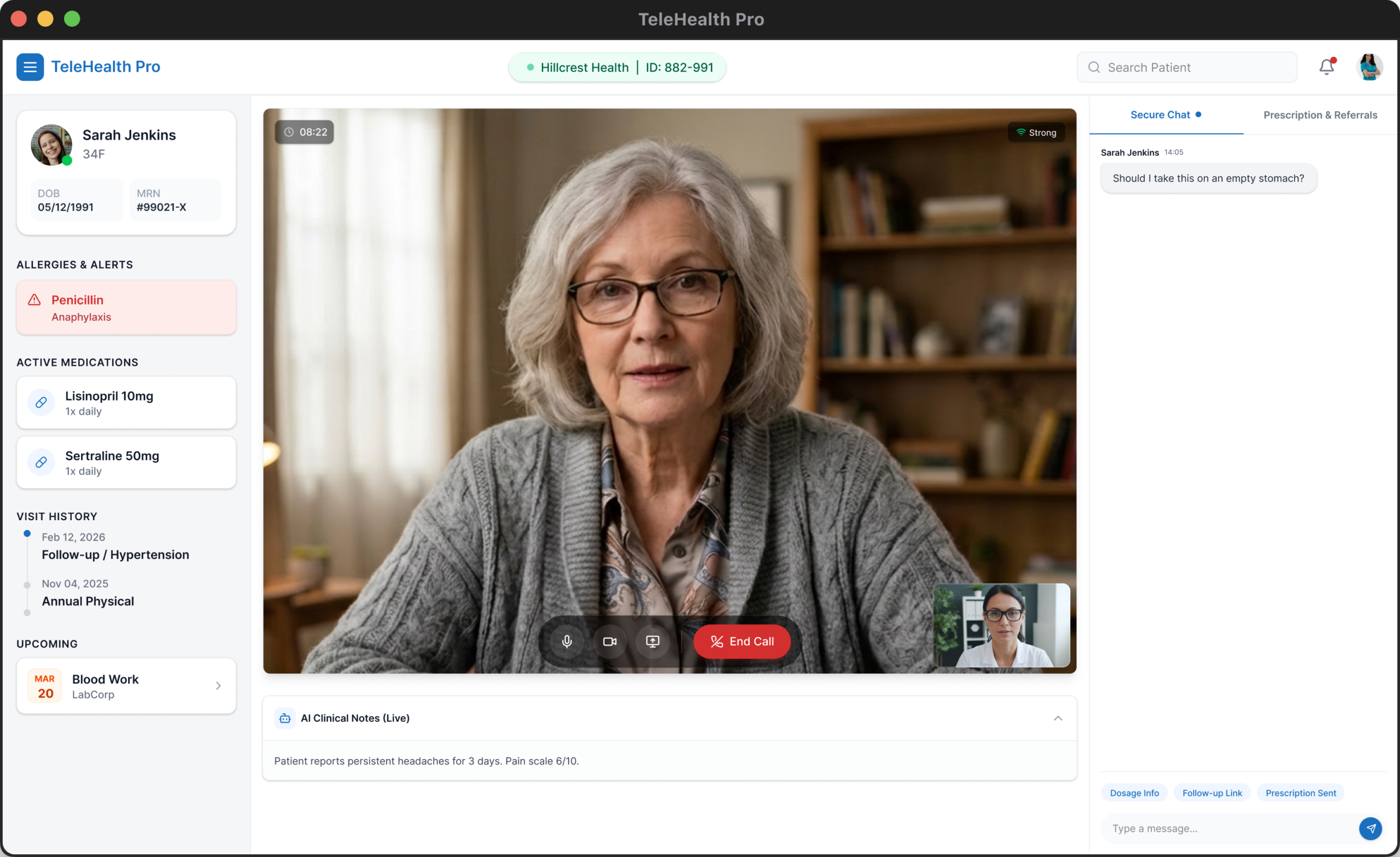
A telehealth app gives clinicians a secure space to see patients remotely, with patient records, prescriptions, and clinical documentation built into the same screen as the video visit.
What our clients say about us
18 years
serving clients with reliable apps
10 million+
lives impacted
250+
successful projects delivered
“I believe in real partnership. Lots of people talk about partnership, but it’s not always achieved. MindSea came through on that end.”
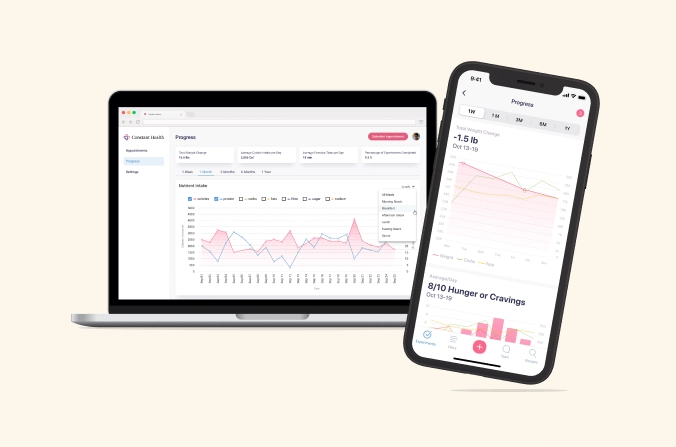
Constant Health needed a cohesive telehealth platform that could support video consultations, messaging, scheduling, and ongoing patient engagement within a single clinical experience. MindSea partnered with the team to design and build a secure, scalable mobile and web solution that connects patients with care teams and supports continuous care delivery beyond a single appointment.
What features should telemedicine software include to support effective virtual care?
A telemedicine app should include video consultations, appointment scheduling, secure messaging, patient registration, clinician access to records, and follow-up tools.
How does telemedicine software support continuity of care after a virtual consultation?
It stores consultation notes, shares care plans with patients, and enables follow-up through messaging or scheduled return visits. It can also send reminders, track patient progress over time, and keep all communication and updates linked to the original consultation.
How do you ensure HIPAA compliance in telemedicine software development?
Compliance is embedded into the app’s design from the outset by controlling how patient data is accessed, stored, and shared. Secure authentication, role-based permissions, and encryption protect information at all times, while audit logs record system activity to support accountability. Read our comprehensive guide on building HIPAA-compliant apps.
How do you integrate telemedicine software with EHR systems like Epic Systems or Cerner?
Telemedicine apps integrate with EHR systems using secure, standards-based connections that share data safely between platforms such as GraphQL, Rest APIs and FHIR. Appointments, notes, and patient updates are transferred automatically so clinicians can use systems like Epic Systems or Cerner with a complete view of care.
How does telemedicine software ensure patient data security and privacy?
Patient data is protected with encryption in storage and during transmission. End-to-end encryption, secure storage, and strict access controls ensure only authorized users can access information. Secure logins and session controls help prevent unauthorized access.
How does telemedicine software reduce missed appointments and improve attendance?
Automating reminders, simplifying rescheduling, and allowing patients to join consultations directly from the software without additional setup reduces missed appointments. Using waiting room flows and real-time notifications keeps patients engaged and reduces drop-off before appointments begin.
Deliver virtual care that improves access without adding complexity for clinicians